If you’ve ever sat in a meeting with a Tumblr brand strategist, you’ve probably heard the term “earned engagement.” Like earned media, earned engagement is the user activity your content generates above and beyond what you buy. But up until now, you really couldn’t tell how many more people were seeing, clicking on, and reblogging your posts than you were paying for.
Well, no longer. We’ve completely overhauled Tumblr Analytics with a focus on earned media and earned engagement to help brands understand the effective Cost Per Engagement (eCPE) of their campaign.
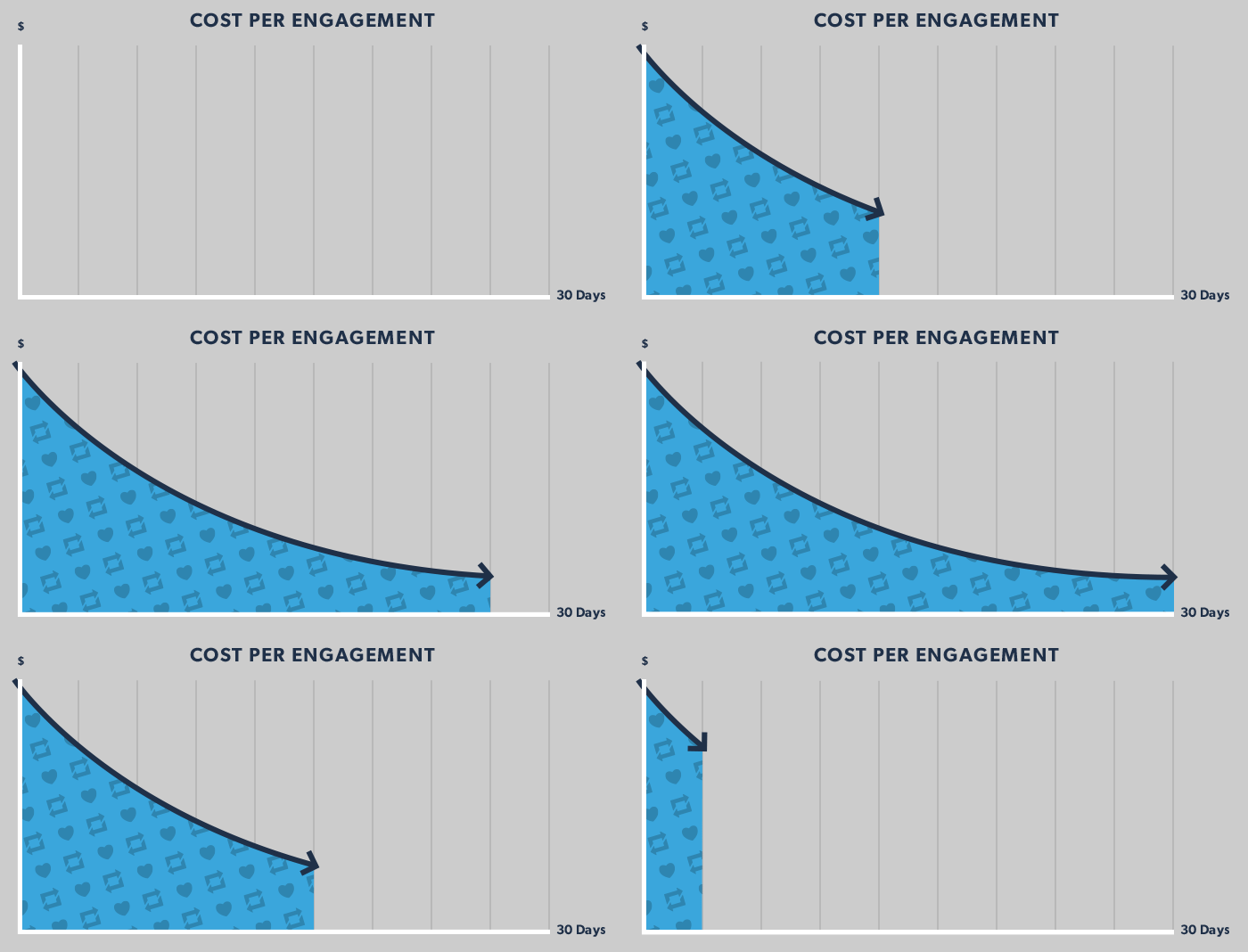
Take a look at the graph. It’s the only time down-and-to-the-right is a good thing.
Let’s say you spend $100 on a campaign at a cost of $1 per engagement. We’ll show your Sponsored Post until 100 people like it, reblog it, follow you, or click-through to your blog. That’s your paid engagement. Now, since Sponsored Posts work just like normal posts, anyone who reblogs it will send it to all their followers. And after that, everything is earned. Meaning free. If 100 more people engage with your post, your effective Cost Per Engagement (eCPE) drops to 50 cents. Another 100 and you’re at $0.33.
And reblogs aren’t the only driver of earned engagement. Likes are a major signal in Search ranking and trending topics, which makes your content more discoverable. Engagement on those pages is also considered earned, by the way, and further reduces your eCPE.
The reason this system works is because it benefits both sponsors and users: earned engagement increases the value of advertising on Tumblr by reducing the effective cost of the placement; and the amount of engagement a sponsor can earn is determined by the quality of content they put out. Brands can actually measure the benefit in dollars of creating content that users want to see and share.